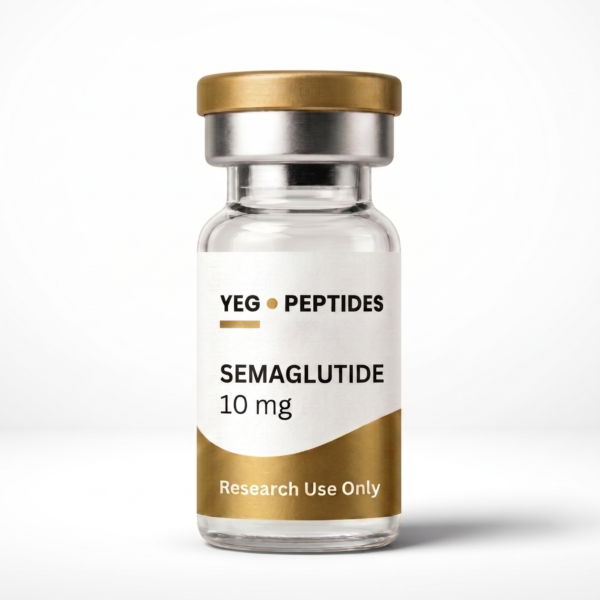
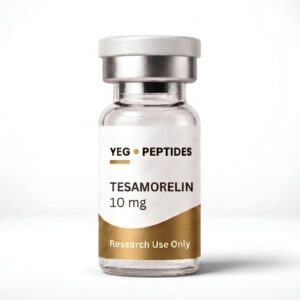
Semaglutide is a long-acting synthetic peptide analog of human glucagon-like peptide-1 (GLP-1). Supplied in a high-yield 10 mg vial, it provides extended reagent supply for research into appetite regulation, glycemic control, and metabolic health optimization.
What Studies Show (Layman Summary):
By selectively mimicking the body’s natural GLP-1 hormone, Semaglutide effectively modulates hunger signals and glucose metabolism. Extensive clinical trial data highlights its potential for:
Sustained Weight Management: Significantly reduces total body fat mass by curbing appetite and lowering overall daily caloric intake.
Appetite & Craving Suppression: Delays gastric emptying and acts on satiety centers in the brain to reduce food cravings and promote feeling full longer.
Glycemic Control & Insulin Sensitivity: Stimulates glucose-dependent insulin secretion while lowering post-meal glucagon release.
Cardiometabolic Health: Supports healthy blood pressure regulation, improved lipid profiles, and reduced cardiovascular risk markers in clinical models.
How It Works (Research Mechanism)
Semaglutide functions through selective activation of GLP-1 receptors located throughout the central nervous system and metabolic tissues:
Central Appetite Modulation: Crosses the blood-brain barrier to target GLP-1 receptors in the hypothalamus, directly suppressing hunger signals and reward-driven food cravings.
Gastric Motility Delay: Slows down the rate at which the stomach empties food into the small intestine, prolonging physical fullness after meals.
Pancreatic Islet Stimulation: Enhances insulin release from pancreatic beta cells only when blood glucose levels are elevated, minimizing low blood sugar risks while reducing excess glucagon output.
Structural Modification for Longevity: Modified with an amino acid substitution and a C-18 fatty acid chain that allows it to bind to albumin, resisting degradation by DPP-4 enzymes and providing an extended half-life (~7 days).
Research Dosing & Usage Parameters
In clinical trials and research protocols, Semaglutide is evaluated on a once-weekly administration schedule due to its ~7-day biological half-life.
Research models implement a gradual dose-escalation titration schedule to evaluate subject tolerance:
Initial Test Phase: 0.25 mg once weekly for weeks 1–4.
Stepwise Titration: 0.50 mg once weekly for weeks 5–8, followed by increases to 1.0 mg, 1.7 mg, and up to target research limits of 2.4 mg once weekly depending on study goals.
Reconstitution & Concentration Calculation
Given the 10 mg vial capacity, adding 2.0 mL of bacteriostatic water or sterile laboratory diluent creates a clean stock solution concentration of 5.0 mg/mL (500 mcg per 0.1 mL).
Volumetric Ratio Breakdown (with 2.0 mL reconstituted):
0.05 mL (5 units on an insulin syringe) = 0.25 mg (250 mcg) of active Semaglutide.
0.10 mL (10 units) = 0.50 mg (500 mcg) of active Semaglutide.
0.20 mL (20 units) = 1.0 mg of active Semaglutide.
0.34 mL (34 units) = 1.7 mg of active Semaglutide.
0.48 mL (48 units) = 2.4 mg of active Semaglutide.
Storage & Handling Specifications
Store unopened lyophilized vials in a cool, dark environment shielded from direct light exposure. Following reconstitution with bacteriostatic water, maintain stock solutions refrigerated between 2°C – 8°C (36°F – 46°F). Reconstituted stock solutions should be utilized within 30 days to avoid enzymatic degradation and maintain structural integrity.